Cute Baby Giraffe Embroidery Design Review
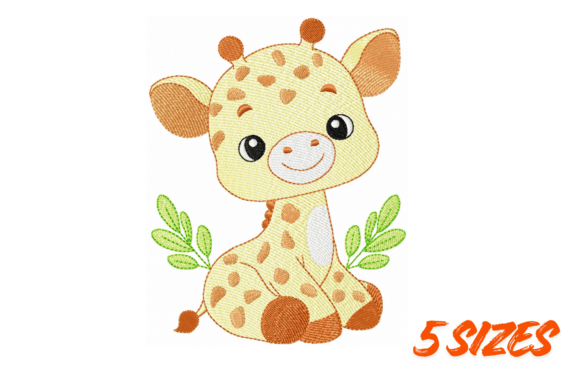
As a professional embroidery designer who has spent years translating digital files into tangible brand assets, I approach every new machine embroidery design with a critical eye. It is not enough for a file to look good on a screen; it must translate seamlessly onto fabric, withstand the rigors of washing, and elevate the perceived value of the finished product. Today, I am reviewing the Cute Baby Giraffe Embroidery Design, a file described as featuring a charming safari animal with playful details and soft colors. My goal is to determine if this specific digital embroidery file is robust enough for small business merch, branded patches, and custom apparel lines.
First Impressions: Visual Personality and Brand Fit
Upon opening the preview of the Cute Baby Giraffe Embroidery Design, the immediate impression is one of warmth and approachability. The description highlights "soft colors" and "playful details," which suggests a design leaning heavily into the whimsical side of the Baby Animals category. For a boutique bakery, a nursery decor shop, or a children's clothing line, this visual personality is a significant asset. It signals care, gentleness, and a handmade aesthetic that customers often seek out over mass-produced alternatives.
However, when evaluating this for broader commercial use, such as staff uniforms or corporate gifts, the tone must align with your existing brand identity. If your brand is sleek, modern, and minimalist, a highly detailed, colorful giraffe might feel out of place. Conversely, for a local florist, a pet brand, or a creative studio focusing on family-friendly services, this design acts as an instant emotional hook. It transforms a standard tote bag or apron from a utility item into a conversation starter, enhancing customer engagement and memorability.
Performance in Real Business Applications
The versatility of the Cute Baby Giraffe Embroidery Design is its strongest selling point for entrepreneurs. Let us break down how this embroidery file performs across various merchandise categories:
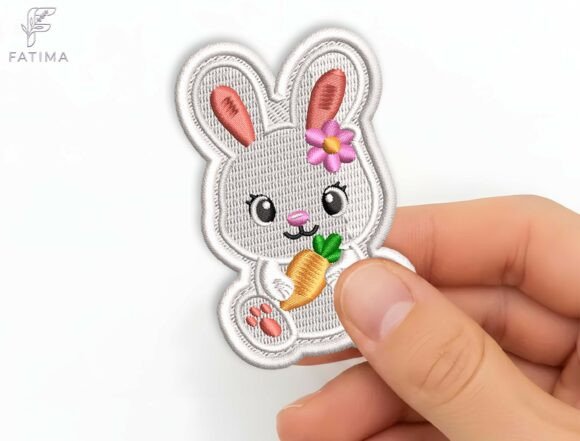
- Embroidered Patches: This design is ideally suited for creating high-quality embroidered patches. Because the subject matter is distinct and cute, it works beautifully as a standalone badge on denim jackets, backpacks, or canvas tote bags. The "playful details" mentioned in the description suggest that the design likely holds up well even when separated from text, making it perfect for branding accessories where space is limited.
- Apron and Uniform Accents: For a café or boutique, placing this design on the chest pocket of an apron or the sleeve of a work shirt adds a touch of personality without overwhelming the uniform. It humanizes the staff and creates a welcoming atmosphere. Just ensure the stitch density is balanced so the fabric does not pucker excessively on softer materials like cotton blends.
- Cap Embroidery: Using this as a cap embroidery element requires careful consideration of scale. A baby giraffe can be adorable on a flat surface, but curved surfaces like baseball caps can distort intricate details. If the design features fine outlines or tiny spots, they may blur when embroidered on a structured cap front. It is best used as a smaller accent on the side panel rather than the main logo area unless simplified.
- Tote Bag Design and Event Merch: As a tote bag design, the larger format allows the "charming safari animal" to shine. This is excellent for event giveaways, farmers market swag, or retail packaging accents. The soft color palette implies that using pastel threads will result in a premium, high-end look, significantly increasing the perceived value of the finished product.
Strategic Considerations for Production
While the concept is strong, successful execution depends on understanding the limitations of commercial embroidery. There are specific scenarios where the Cute Baby Giraffe Embroidery Design should be used with caution to maintain professionalism.
Scale and Detail: If you intend to use this for very small patches or tiny logos on socks, the "playful details" could become muddy. Intricate patterns require sufficient thread coverage to remain visible. Always check if the design retains clarity at 1.5 inches wide. If the details vanish, the design may need simplification before production.
Fabric Texture and Color: The description mentions "soft colors." When embroidering these light hues on dark uniforms or textured fabrics like fleece or heavy canvas, contrast becomes a major issue. You may need to add a dense underlay or a satin border to make the giraffe pop. Without proper contrast, the design can appear washed out, reducing the impact of your brand identity.
Wear and Tear: Items like baby clothes and blankets, which are frequently washed, require durable stitching. Ensure the thread colors are colorfast and that the stitch density is not so high that it restricts the fabric's stretch or causes tearing over time. For custom apparel meant for daily wear, durability is just as important as aesthetics.
Practical Designer Notes for Implementation
To get the most out of this digital embroidery file, follow these practical steps before committing to a full production run:
- Test in Black and White: Before buying expensive pastel threads, stitch out the design in black and white. This reveals the structural integrity of the file. Check for gaps, floating stitches, or areas where the design relies too heavily on color to define the shape.
- Verify Hoop Size: Confirm the required hoop size against your machine capabilities. If the design is large, ensure you have the appropriate stabilizer to prevent shifting during the embroidery process.
- Select the Right Stabilizer: For items like tote bags or knits, a cutaway or tear-away stabilizer is crucial. The "soft colors" imply lighter thread weights, which can sink into textured fabrics without adequate support.
- Create a Printable Mockup: Generate a printable mockup showing the design on your actual product. This helps visualize the placement and scale before spending hours on the machine. Share this with clients for approval to ensure it meets their expectations.
- Check Commercial Licensing: Always confirm the licensing terms. Even if the design is perfect for your small business merch, you must ensure you have the right to sell products made with this embroidery file. Unauthorized use can lead to legal issues and damage your reputation.
Impact on Brand Identity and Customer Trust
Ultimately, the choice to use the Cute Baby Giraffe Embroidery Design goes beyond mere decoration. It is a strategic decision that affects how customers perceive your business. A well-executed, high-quality embroidery job signals attention to detail and craftsmanship. When a customer receives a tote bag or apron with a crisp, vibrant, and professionally stitched giraffe, they associate that quality with your entire brand.
This design fosters a sense of trust and recognition. In a crowded marketplace, consistent design assets help your business stand out. Whether it is a patch on a volunteer's jacket or a logo on a gift item, the visual consistency builds a cohesive narrative. The playful nature of the giraffe invites interaction, encouraging customers to take photos and share them on social media, effectively turning your merchandise into free marketing.
For handmade brands and Etsy sellers, this type of Embroidery adds a unique, artisanal touch that separates your products from generic competitors. It elevates the item from a simple commodity to a curated piece of art. However, success lies in the execution. By testing the file, managing expectations regarding scale and fabric, and ensuring proper licensing, you can leverage the charm of the Cute Baby Giraffe Embroidery Design to build a stronger, more recognizable, and profitable brand.