Cute Cats and Plants Embroidery Review
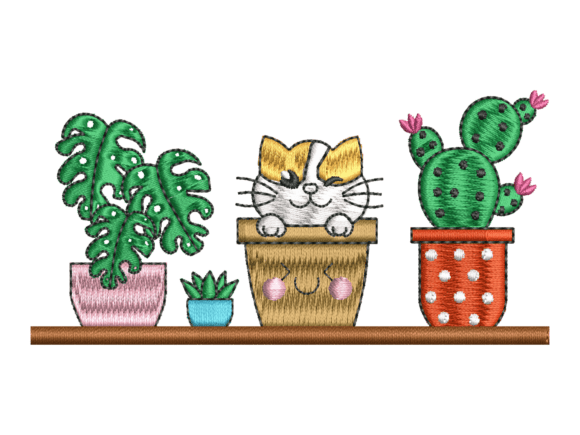
As an embroidery designer who has spent years curating collections for boutique apparel, I approach every new Creative Fabrica embroidery design with a critical eye. My goal is always to find patterns that translate well from digital files to tangible, high-quality garments. Recently, I came across the Cute Cats and Plants Embroidery design, specifically the "Playful Cats Houseplants Shelf" layout. This piece promises a cozy aesthetic that aligns perfectly with current trends in handmade fashion. Before integrating it into my upcoming fall collection of sweatshirts and hoodies, I wanted to share a detailed review on how this machine embroidery design performs in a real-world production setting.
First Impressions: Visual Personality and Stitching Mood
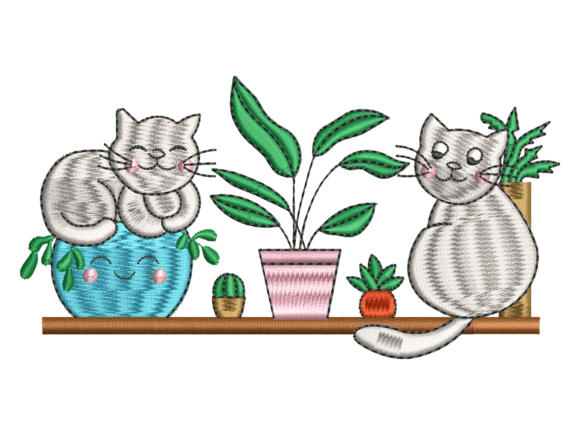
The moment you load the Cute Cats and Plants Embroidery file, the visual personality jumps out. It captures a whimsical, "plant mom" vibe that is currently dominating social media feeds. The panoramic layout features playful cats interacting with houseplants on a shelf, creating a narrative scene rather than just a static icon. For a boutique brand looking to tell a story through clothing, this level of detail is invaluable. The stitching mood feels charming and slightly rustic, yet polished enough for professional presentation.
Unlike some overly dense designs that can cause puckering on soft fabrics, this pattern seems balanced. It offers decorative strength without overwhelming the garment. The aesthetic leans towards cute and trendy, making it an ideal candidate for pastel hoodies or neutral-toned sweatshirts. However, as with any digital embroidery file, the true test lies in how it interacts with different fabric textures and thread colors during the actual stitching process.
Applying the Design to Apparel Projects
When planning a small collection, versatility is key. The Cute Cats and Plants Embroidery design offers several placement options that can elevate various types of custom apparel. Here is how I envision using this machine embroidery design across different products:
- Sweatshirt Embroidery: For oversized crewneck sweatshirts, placing this panoramic design across the chest creates a bold statement. The width of the shelf layout works beautifully on the broad canvas of a men's or women's unisex hoodie.
- Hoodie Chest Placement: On lighter weight fleece, positioning the design slightly off-center on the left chest adds a modern, asymmetrical touch. This works particularly well for streetwear-inspired boutique brands.
- Sleeve Accents: If the design allows for segmentation, a smaller portion featuring just one cat and plant could serve as a delicate sleeve accent, adding subtle branding without being overpowering.
- Back Designs: For a more dramatic look, scaling the panoramic layout to fit the upper back of a hoodie creates a unique conversation starter. This is excellent for limited edition drops where customers want something distinctive.
- Tote Bag Design: Beyond clothing, this embroidery file translates exceptionally well to canvas tote bags. The sturdy fabric holds up to the stitch density, and the cozy theme appeals to shoppers looking for eco-friendly, artistic accessories.
- Denim Jackets: Applying this design to denim jackets adds a pop of color and texture. The contrast between the rough denim and the smooth satin stitches of the cats and plants creates a premium feel.
Navigating Challenges: Where to Use Carefully
While the Cute Cats and Plants Embroidery is versatile, there are specific scenarios where caution is required to maintain product quality. As a professional, I know that not every design fits every surface seamlessly.
Stretchy Fabrics and Ribbed Areas: Avoid placing large panoramic designs on highly stretchy areas like the neckline ribbing or cuffs. The tension from the stitches combined with the elasticity of the fabric can lead to distortion over time. Stick to stable panels of the garment.
Dense Stitch Areas: While the design looks balanced, sections with heavy foliage or multiple cats might have higher stitch density. On thin t-shirt material, this could cause visible puckering. Always check the stabilizer choice; a cut-away stabilizer is often necessary for these denser areas on knit fabrics.
Dark Garments: If applying this to black or navy apparel, consider the thread colors carefully. Light-colored threads will pop, but ensure the underlay is sufficient to prevent the dark fabric from showing through the white or pastel stitches. The intricate details of the cats' faces need high contrast to remain legible.
Curved Surfaces: The panoramic nature of the shelf design means it is best suited for relatively flat surfaces. Curving the hoop too much around a tight sleeve or a rounded cap brim can distort the perspective of the shelf and plants.
Impact on Brand Identity and Product Value
Choosing the right Creative Fabrica embroidery design significantly impacts your brand identity. Using Cute Cats and Plants Embroidery signals to your customer that your brand values coziness, creativity, and attention to detail. It moves your product away from generic mass-market prints and into the realm of artisanal craftsmanship.
For an Etsy seller or small shop owner, this design can enhance buyer trust. Customers associate high-quality embroidery with durability and value. A finished product featuring this intricate scene suggests that care was taken in both the design selection and the production process. Furthermore, the visual consistency of using such a distinct motif across a collection—perhaps on hoodies, hats, and totes—helps build product recognition. When a customer sees the playful cat on a shelf, they immediately think of your brand.
This design also excels in marketing. High-resolution photos of the embroidered apparel make for stunning lifestyle product photos and printable mockups. The whimsical nature of the cats and plants is inherently shareable on social media graphics, driving customer engagement and organic reach.
Practical Designer Notes for Production
Before you commit to a full run of commercial embroidery products, follow these practical steps to ensure success with the Cute Cats and Plants Embroidery:
- Test on Scrap Fabric: Never skip the test run. Stitch the design on a scrap piece of the exact fabric you plan to use. Check for puckering, thread breaks, and alignment issues.
- Check Stabilizer Choice: Depending on the fabric weight (fleece vs. cotton), adjust your stabilizer. Heavy fleece may require a heavier tear-away or cut-away backing to support the stitch count.
- Review Thread Color Contrast: Ensure the thread colors you select provide enough contrast against the garment color. Subtle tones on light grey sweaters might get lost.
- Confirm Hoop Size: Since this is a panoramic layout, verify that your hoop size accommodates the full width of the shelf design. You may need to re-hoop if the design is wider than your standard 5x7 or 6x10 hoop.
- Inspect Stitch Density: Look closely at the preview in your software. If certain areas look too crowded, you may need to reduce the density slightly to prevent fabric distortion.
- Compare Placement Options: Mock up the design in different positions on your garment templates before finalizing the production layout.
- Verify Licensing: Always check the Creative Fabrica product details and licensing terms before selling finished apparel. Ensure your subscription or purchase covers commercial use for physical goods like sweatshirts and tote bags.
In conclusion, the Cute Cats and Plants Embroidery design is a strong contender for any boutique apparel line focusing on cozy, lifestyle aesthetics. With careful attention to fabric choice, stabilizer usage, and placement, this machine embroidery design can transform simple garments into cherished handmade products. Whether you are a seasoned embroiderer or a creative entrepreneur starting your first collection, this design offers the charm and quality needed to stand out in a competitive market.