Garden Watering Can Embroidery Design Review
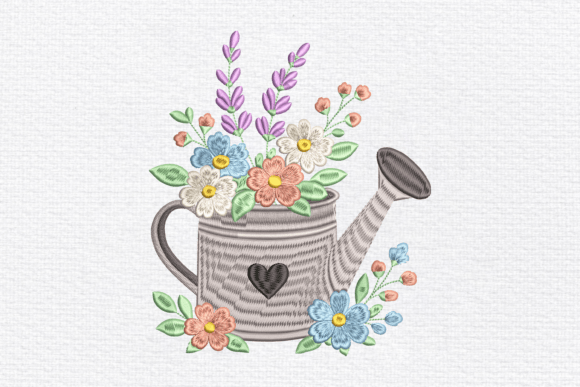
As a professional embroidery designer who has spent years translating digital files into tangible brand assets, I approach every new machine embroidery design with a critical eye. My goal is not just to see if it looks pretty, but to determine if it functions effectively for small business merch, branded patches, and commercial apparel. Today, I am reviewing the Garden Watering Can Embroidery Design. This piece falls under the Bouquets category, promising a beautiful floral watering can filled with colorful wildflowers in a rustic style. On paper, it sounds like a winner for garden centers, boutiques, and handmade brands. But does it hold up under the scrutiny of production?
First Impressions: Visual Personality and Brand Fit
When I first load the Garden Watering Can Embroidery Design into my digitizing software, the visual personality immediately jumps out. It exudes a friendly, rustic, and distinctly handmade charm. The description highlights "colorful wildflowers" within a "rustic garden watering can," which suggests a high level of detail and vibrant thread colors. For businesses aiming to project an organic, earthy, or cottage-core aesthetic, this design hits the mark perfectly.
However, from a branding perspective, the complexity of wildflowers can be a double-edged sword. While the design feels premium and decorative, it leans heavily into the decorative side of Embroidery rather than the bold, graphic simplicity often required for instant logo recognition. If you are a florist, a plant shop, a bakery, or a creative studio selling handmade product lines, this design aligns beautifully with your identity. It signals care, nature, and growth. Conversely, for a corporate uniform program requiring strict minimalism, this might feel too busy unless used as a subtle accent rather than a primary logo.
Evaluating Real-World Business Applications
The true test of any digital embroidery file is its versatility across different merchandise types. Let's break down how the Garden Watering Can Embroidery Design performs in specific business scenarios.
Branded Patches and Apparel Accents
One of the most effective ways to utilize this design is as an embroidered patch. Because the motif is self-contained within the shape of the watering can, it works exceptionally well when cut out with a satin border. A small boutique could use these patches on denim jackets, tote bags, or even as a unique seal on product packaging. The "rustic" nature of the design translates well to felt or twill backings, adding texture that elevates the perceived value of the item.
For staff uniforms, consider using the design as a sleeve detail or a chest pocket accent rather than a large back print. On a chef's apron or a gardener's work shirt, the apron embroidery or sleeve placement adds a touch of personality without overwhelming the wearer. It creates a cohesive look for teams while allowing the brand to stand out through color and detail.
Tote Bags and Customer Gifts
The product description explicitly mentions tote bag design as a key use case, and I agree completely. Tote bags offer a larger canvas where the intricate details of the wildflowers can shine without getting lost. Imagine a heavy-duty canvas tote featuring this design for a local farmers market or a gardening workshop. It serves as a walking billboard for your business. Similarly, kitchen towels and sweatshirts mentioned in the description are excellent vehicles for this art. These items are personal and functional, making them ideal for customer gifts or event swag where you want to leave a lasting, warm impression.
Caps and Headwear
Cap embroidery requires careful consideration of scale. The curved surface of a hat front compresses designs slightly. If the Garden Watering Can Embroidery Design is too tall or wide, the wildflowers may distort. However, if scaled correctly to fit a standard 3x3 inch area, it makes for a charming cap emblem. Just ensure the stitch density isn't so high that the fabric puckers, which can ruin the fit of a structured cap.
Strategic Considerations and Potential Pitfalls
While the design is visually appealing, there are specific areas where caution is required to maintain professionalism and quality.
- Stitch Density and Fabric Texture: Wildflower petals often require fine detailing. On textured fabrics like fleece or heavy canvas, high stitch density can cause the thread to sink in, losing definition. Always test on the actual fabric before mass production.
- Small Patch Sizes: If you attempt to shrink this design for a tiny label or a small button, the individual flowers may blur together. The hoop size must accommodate the full resolution of the design to preserve the "beautiful" aspect described.
- Color Contrast: The design relies on "colorful" elements. On dark uniforms, you will need significant underlay to make the light-colored wildflowers pop. Without proper backing, the design may look muddy.
- Durability: Items that undergo frequent washing, such as kitchen towels or work shirts, need robust stitching. Ensure the digitization includes adequate lock stitches at the ends of the flower stems to prevent unraveling over time.
Impact on Brand Identity and Customer Trust
Using a well-executed commercial embroidery design like this one significantly impacts brand identity. When customers see a high-quality embroidered item, they associate that craftsmanship with your business. It suggests attention to detail and a commitment to quality. The Garden Watering Can Embroidery Design specifically evokes feelings of nurturing and growth, which can deepen emotional connections with buyers in the home decor, gardening, or wellness sectors.
Furthermore, consistency is key. Using this design across custom apparel, design assets for social media, and physical products creates a unified visual language. Whether it's a printable mockup for your Etsy shop or the finished product in a customer's hands, the recognizable motif builds trust and recognition. It transforms a generic tote bag into a branded statement piece.
Practical Designer Notes for Production
Before you commit to a large run of merchandise, follow these steps to ensure success with the Garden Watering Can Embroidery Design:
- Test in Black and White: First, run a test in a single thread color. This helps you verify the flow of the design and ensures no gaps appear in the wildflower patterns before you invest in expensive threads.
- Check Scalability: Verify that the design remains clear at the intended size. If the wildflowers become indistinguishable dots at a smaller scale, consider simplifying the version for caps or labels.
- Review Thread Colors: Match your thread palette to your brand guidelines. The "colorful" nature of the design allows for creativity, but ensure the contrast works against your base fabric.
- Inspect Spacing and Hooping: Confirm the hoop size fits your machine. Check the spacing between the watering can spout and the handle to ensure the needle doesn't hit the hoop frame.
- Fabric and Stabilizer Test: Always embroider a sample on the exact fabric you plan to use. Use the appropriate stabilizer (cut-away for knits, tear-away for wovens) to prevent distortion.
- Create a Mockup: Generate a printable mockup for client approval or internal review. This helps visualize the final result on a sweatshirt or apron before cutting a single thread.
- Verify Licensing: Finally, confirm the commercial licensing terms of the embroidery file. Ensure you have the rights to use this design for unlimited sales of your merchandise.
In conclusion, the Garden Watering Can Embroidery Design is a versatile asset for businesses looking to infuse their merchandise with warmth and character. By understanding its strengths and limitations, you can leverage this design to create high-value, memorable products that resonate with your audience. Whether for a small café's aprons or a florist's tote bags, this design offers a charming way to elevate your brand presence through the art of embroidery.