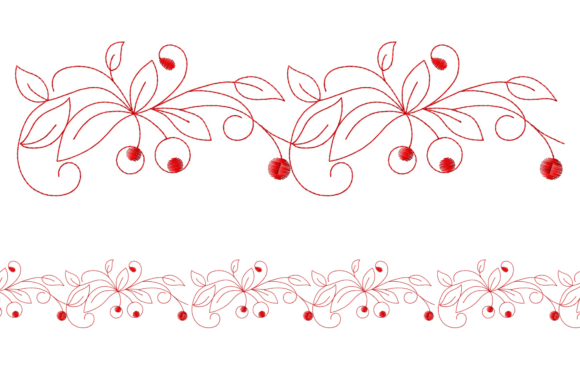
Decorative Embroidery Border Design Review
As a designer who has spent years navigating the gap between digital files and stitched reality, I approach every new machine embroidery design with a critical eye. It is not enough for a file to look good on a screen; it must translate beautifully into thread, stabilizer, and fabric. Recently, I evaluated the Decorative Embroidery Border Design, a pattern described as featuring elegant ornamental details combined with flowing leaves and graceful botanical accents. The promise of a refined and timeless pattern caught my attention immediately, but does it hold up under the scrutiny of a real-world craft business?
First Impressions: Mood and Visual Weight
When I first opened the embroidery file in my editing software, the visual personality was clear. This is not a bold, loud statement piece; rather, it exudes a quiet sophistication. The arrangement of the flowing leaves and botanical accents creates a rhythm that feels organic yet structured. For an Etsy seller or a boutique owner looking to elevate their brand consistency, this type of Borders design offers a level of refinement that generic clip-art often lacks.
The layout suggests a design meant to frame other elements or define edges without overpowering them. The ornamental details are intricate, hinting at a mix of satin stitch for definition and fill stitch for the leafy textures. However, the true test lies in how these digital lines interact with physical thread. My initial assessment is that this Decorative Embroidery Border Design leans heavily toward high-end home decor and personalized gifts where elegance is the primary selling point.
A Real-World Scenario: The Custom Tote Bag Project
To truly understand the utility of this design, I imagined a specific project: creating a limited run of custom canvas tote bags for a local flower shop. These bags need to feel artisanal and durable, serving as both a product and a walking advertisement. I visualized placing the Decorative Embroidery Border Design along the top hem of the bag, framing the shop's logo in the center.
In this context, the flowing leaves would mimic the natural aesthetic of a florist, while the ornamental details add a touch of luxury. If executed correctly, the finished product would transform a standard canvas bag into a premium handmade product. Customers often judge the quality of a custom apparel item by the crispness of its stitching. If the stitch density is too low, the leaves might look patchy against the textured canvas. If it is too high, the fabric could pucker, ruining the drape of the tote. This design requires a careful balance to ensure the finished product maintains a professional appearance after frequent washing.
Performance Across Different Fabrics and Projects
The versatility of Embroidery designs often determines their value to a small business owner. The Decorative Embroidery Border Design shows strong potential for several applications, provided the user understands the limitations of the medium.
- Home Decor: Pillow covers and tea towels are ideal candidates. The botanical theme fits perfectly with kitchen textiles, adding a touch of nature to everyday items. On a linen pillow cover, the texture of the fabric can enhance the organic feel of the leaves.
- Apparel: For sweatshirt embroidery or aprons, this border works well along hems or pocket edges. However, on stretchy fabrics, the structural integrity of the border must be tested to prevent distortion during wear.
- Personalized Gifts: This design is excellent for baby blankets or nursery decor. The gentle, flowing lines are soft and inviting, making it a safe choice for baby embroidery projects where harsh geometric shapes might feel out of place.
- Patches: Creating an embroidered patch from this design could yield a unique accessory. The ornamental details would stand out well if backed with a sturdy felt or twill base.
However, caution is required when moving beyond flat surfaces. Curved areas like caps or hats present a challenge. The intricate corners of the ornamental details may struggle to lay flat on a curved brim, potentially leading to thread bunching or registration errors. Similarly, on dark fabrics, the contrast of the thread colors becomes critical. Without proper planning, the delicate botanical accents might get lost against a black background.
Critical Considerations for Professional Use
Before committing this digital embroidery file to a client order or a bulk production run, there are several practical steps every designer should take. First, always test the design on scrap fabric that matches your final material. This allows you to inspect small details and adjust the hoop size if necessary. Sometimes, a design that looks perfect digitally needs slight spacing adjustments to accommodate the tension of the machine.
Second, review the stitch density closely. In areas where the flowing leaves overlap, dense stitching can cause puckering, especially on thin fabrics. You may need to reduce the density or use a stronger stabilizer to support the weight of the thread. Additionally, check the thread colors against your fabric swatches. A design that relies on subtle shading will fail if the thread color does not pop against the background.
For those selling these items commercially, such as on Etsy or at craft fairs, consider how the design affects buyer engagement. A well-executed border adds perceived value to a small shop product. It signals attention to detail and craftsmanship. Conversely, a poorly stitched border can undermine customer trust. Always create a printable mockup to visualize the final look before starting the machine. Testing the design in black and white can also help identify any issues with contrast or flow that might be missed in full color.
Final Verdict for Craft Entrepreneurs
The Decorative Embroidery Border Design is a sophisticated asset for designers who prioritize elegance and detail. Its combination of ornamental flourishes and botanical motifs makes it a standout choice for holiday gifts, wedding favors, and boutique branding. However, its success depends entirely on the execution. It is not a "load and go" design for beginners working with difficult fabrics.
If you are a craft business owner looking to expand your catalog with high-quality design assets, this border offers a timeless appeal that transcends seasonal trends. Just remember to verify licensing terms before selling finished items or digital products. With proper preparation, the right stabilizer, and a keen eye for detail, this design can become a signature element in your portfolio, turning simple fabric into cherished, professional-grade art.